Toilet Flapper Replacement: Get the Right Size the First Time
If this fix touches water, gas, or power, the guide starts with the shutoff step and says when a licensed pro should take over.
Product links in this guide are affiliate links. If you buy through one, we may earn a small commission at no extra cost to you. It never changes which products we recommend.
There are few hardware-store moments more annoying than getting home with a new flapper, kneeling at the tank, and discovering it’s the wrong size. Flappers come in two sizes, they are not interchangeable, and the packaging rarely makes the difference obvious. Two minutes of checking saves the second trip.
Quick Answer
Look at the drain opening at the bottom of the tank, the hole the flapper covers. If it looks about the size of a baseball or an orange, you need a 2-inch flapper (most toilets made before roughly 2005, and many since). If it looks like a softball or a grapefruit, you need a 3-inch (common on high-efficiency toilets that flush 1.28 gallons). A quality universal flapper in the right size fits the large majority of toilets; a few brands seal best with their own part.
What You’ll Need
- A replacement flapper in the correct size ($5–$15)
- A phone photo of your tank’s insides, taken before you go to the store. It answers most questions the aisle will raise
- A towel
Step-by-Step
Identify the size
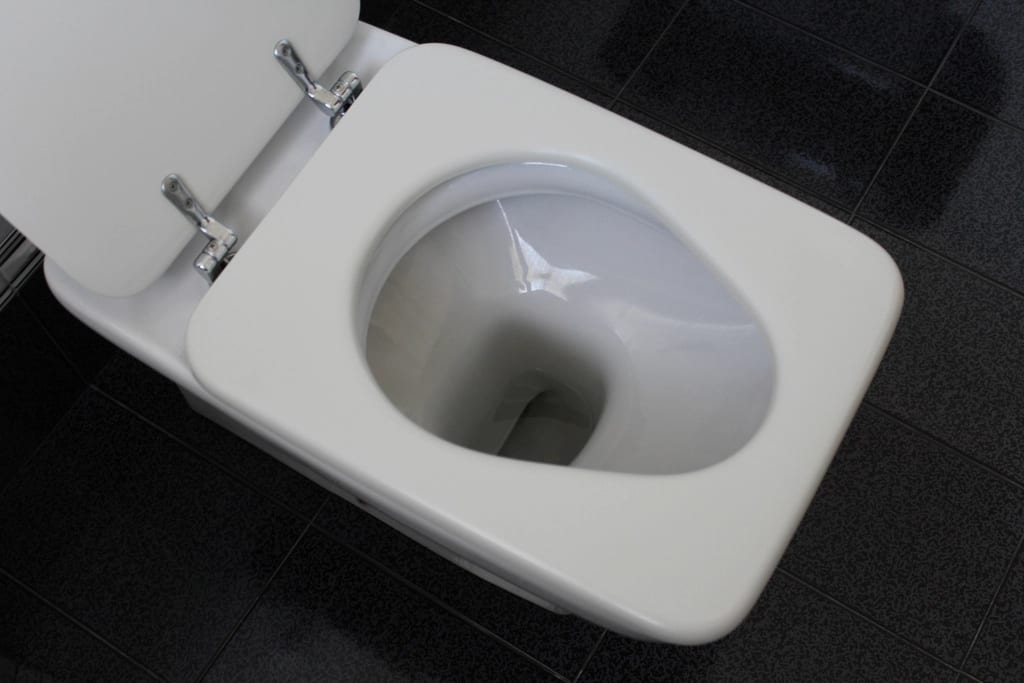 The ball test: if the drain opening looks baseball-sized, buy a 2-inch flapper; softball-sized means 3-inch.
Take the tank lid off and look down at the flush valve opening (drain the tank first if you want a clear look: supply valve off, flush and hold). Use the ball comparison above. If you’d rather measure: a 2-inch flapper is about 3 inches across the rubber disc; a 3-inch flapper is about 4 inches.
Check for special cases
Two things change the shopping list. First, if instead of a hinged rubber disc you see a tall plastic cylinder that lifts straight up, you have a canister valve. Buy a canister seal, not a flapper. Second, check the brand and model (stamped inside the tank lid or behind the seat): TOTO’s 3-inch valves and some Kohler and American Standard designs are picky, and the brand-specific part seals better and lasts longer than a universal.
Choose universal, adjustable, or brand-specific
For a standard toilet, a solid-frame universal flapper from a known maker (Korky and Fluidmaster are the two you’ll see everywhere) is the right buy. Adjustable flappers (the ones with a dial or float) exist to tune water usage on early low-flow toilets; if you buy one, note that the dial setting matters: set to maximum it behaves like a standard flapper, set low it closes early and weakens the flush.
Install and set the chain
Supply off, flush to empty, unhook the old flapper’s ears from the overflow-tube pegs, hook on the new one, and clip the chain to the handle arm so it droops just slightly, a half inch or so. Turn the water on and flush a few times, watching the flapper seat cleanly each time. If the toilet still runs afterward, the problem is upstream of the flapper. The full running-toilet walkthrough covers the seat and fill valve checks.
If the symptom is a refill sound every hour or two instead of a constant hiss, the quick read is why your toilet refills randomly, and how to stop it.
Time and Cost
| Item | Typical price |
|---|---|
| Universal 2-inch flapper | $5–$8 |
| Universal or brand 3-inch flapper | $8–$15 |
| Canister seal (Kohler-style) | $6–$10 |
| Total working time | About 10 minutes |
Why This Works
Flush valve openings grew when regulations pushed flush volumes down. A 1.28-gallon toilet has less water to work with, so designers widened the drain to dump it faster. That’s the 3-inch valve. The flapper is a consumable, like a tire: rubber sitting in treated water hardens and warps on a schedule, and matching the size and quality of the replacement is the whole game.
Mistakes to Avoid
- Trusting “universal” on the package. Universal means “fits most 2-inch valves,” not “fits every toilet.” Size first, brand second.
- Leaving an adjustable flapper on its factory setting. Out of the bag they’re often set to close early. If the flush is weak after installing one, turn the dial to a longer setting.
- Reusing a stiff old chain or clip. A kinked chain catches under the flapper. New flappers come with a chain. Use it.
- Buying a flapper for a canister toilet. No flapper will fit. It’s the seal you want, and it costs less anyway.
FAQ
How often should a toilet flapper be replaced?
Every 3–5 years in normal use. If yours failed much sooner, the usual culprits are chlorine drop-in tank tablets or very hard water. Both attack the rubber.
Can a flapper cause a weak flush?
Yes. If the flapper closes too early (common with adjustable models set wrong, or a chain with too much slack), the tank doesn't release enough water. If your flush got weak right after a flapper swap, that's the first thing to check.
How do I know if I need a brand-specific flapper?
Check the manufacturer name inside the tank lid or on the bowl. TOTO 3-inch valves and several Kohler and American Standard models seal noticeably better with their own brand's part. For everything else, a quality universal flapper is fine.
My toilet has a plastic tower instead of a flapper. What do I buy?
That's a canister flush valve, common on many Kohler toilets. You don't replace a flapper. You replace the rubber canister seal at its base, sold as a separate small part. The swap is even easier: lift the canister, swap the red seal, done.
Related fixes
Bathroom
How to Fix a Running Toilet in 15 Minutes (No Plumber)
A running toilet is almost always a worn flapper or a misadjusted float. Diagnose it with a dye test and fix it yourself for under $12.
Time15–30 min Cost$5–$18 easy
Bathroom
Unclog a Slow Bathroom Sink in 15 Minutes, No Chemicals
A slow bathroom sink is almost always hair caught at the pop-up stopper. Pull it, clear it with a $4 zip tool, and clean the P-trap if needed.
Time15–30 min Cost$3–$5 easy