How to Replace an HVAC Filter the Right Way
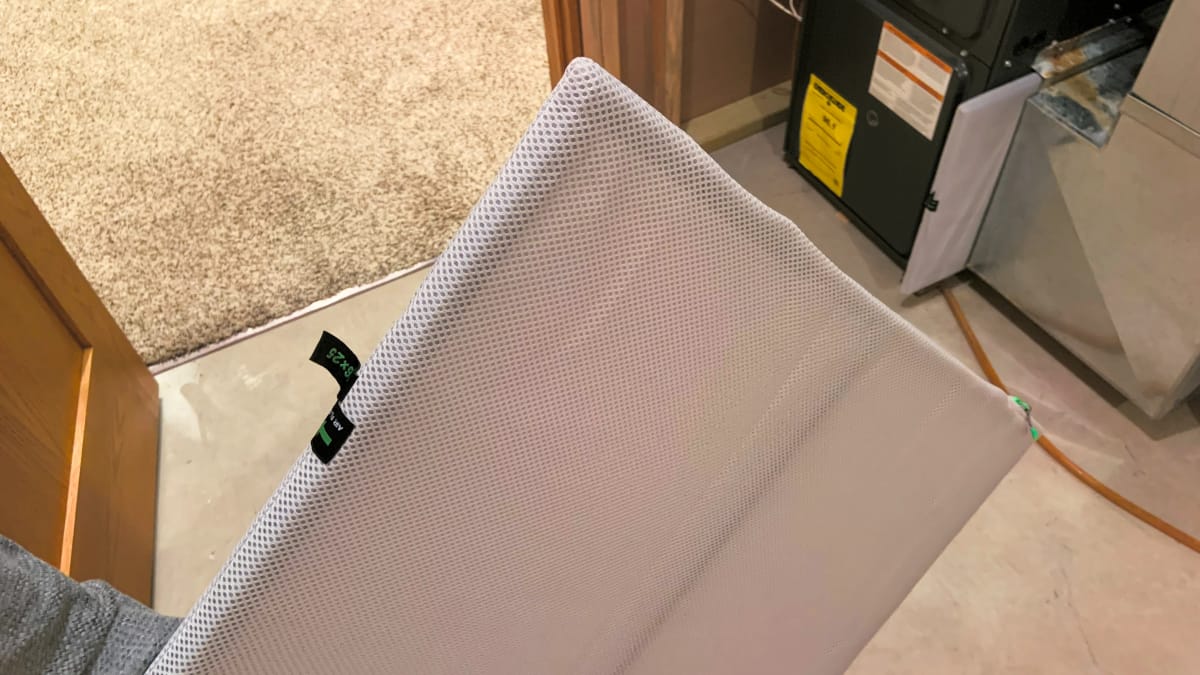
If this fix touches water, gas, or power, the guide starts with the shutoff step and says when a licensed pro should take over.
Product links in this guide are affiliate links. If you buy through one, we may earn a small commission at no extra cost to you. It never changes which products we recommend.
Replacing an HVAC filter is the rare home job where the part is cheap and the payoff is immediate. A clogged filter makes the blower work harder, reduces comfort, and can make the system short-cycle. The trick is not forcing a better filter into the wrong slot.
Quick Answer
To replace an HVAC filter, turn the system off, pull the old filter, copy the printed size, and slide the new filter in with the airflow arrow pointing toward the furnace or air handler. Most 1-inch filters cost $8–$25 and take 5–10 minutes to replace. Use a basic pleated filter unless your system manual says it can handle a high-MERV filter. If the filter is wet, crushed, or missing, fix that before running the system.
What You’ll Need
- Replacement filter in the exact printed size
- Pleated HVAC filter, $8–$25
- Marker for writing the install date on the frame
- Vacuum, optional, for dust around the return grille
Step-by-Step
Turn the system off
Set the thermostat to Off before pulling the filter. You do not want the blower dragging dust into the duct while the slot is open. If the filter is at the furnace or air handler, keep loose clothing and fingers clear of the blower compartment.
Find the filter size
Pull the old filter and read the printed size on the cardboard frame, such as 16x20x1 or 20x25x4. Do not measure the dirty filter unless the label is gone, because many filters are slightly smaller than their nominal size. Buy the same size.
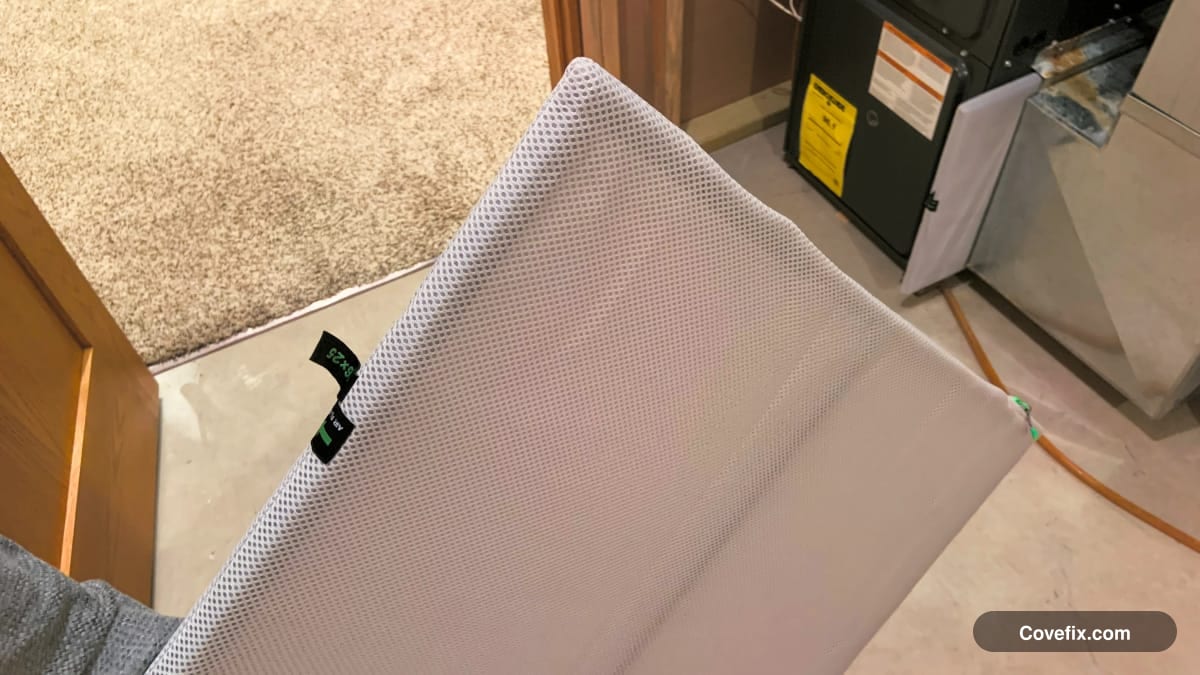 The arrow on the filter frame points toward the equipment, not toward the room.
Match the airflow arrow
Look for the arrow printed on the new filter. It points toward airflow: into the return duct or toward the furnace, air handler, or blower. If you install it backward, the filter can bow, leak around the edges, or collapse sooner.
Slide it in without crushing it
Push the filter into the slot until it sits flat. The frame should not buckle, and there should not be a large gap around the edge. Write the install date on the frame so the next check takes ten seconds.
Restart and listen
Turn the system back on. You should hear steady airflow without whistling at the filter slot. A loud whistle usually means the filter is the wrong size, installed crooked, or too restrictive for the return.
Time and Cost
| Fix | Time | Cost |
|---|---|---|
| Replace a standard 1-inch filter | 5–10 min | $8–$25 |
| Replace a thick media filter | 5–10 min | $20–$60 |
| HVAC service call for airflow diagnosis | 30–60 min | $100–$250 |
Why This Works
Your HVAC blower needs air moving freely across the coil or heat exchanger. A dirty filter blocks that airflow, so the system runs longer, louder, and less efficiently. A clean filter protects the equipment while letting enough air through to heat or cool the house evenly.
Mistakes to Avoid
- Buying by memory. Filter sizes look similar. Copy the printed size from the old frame.
- Installing the arrow toward the room. The arrow follows airflow, which usually points toward the unit.
- Using the highest MERV filter by default. More filtration can mean less airflow. Use what your system can handle.
- Running without a filter. Dust can coat the blower and coil quickly, which turns an $18 job into a service call.
If rooms still feel drafty after the filter is clean, check the door and air leaks in fixing a drafty door.
FAQ
Which direction should the arrow point on an HVAC filter?
The arrow points in the direction of airflow, usually toward the furnace, air handler, or blower. If the filter sits in a return grille, the arrow points into the duct. If it sits at the unit, the arrow points toward the equipment.
How often should I replace my HVAC filter?
Most 1-inch filters need replacement every 1–3 months. Homes with pets, dust, smoke, renovation work, or heavy AC use should check monthly. Thick 4-inch media filters often last 6–12 months, but the label and your dust level matter more than the calendar.
What happens if the HVAC filter is installed backwards?
A backwards filter still catches some dust, but the frame side faces the airflow, so the filter bows, seals poorly around the edges, and loads up faster. The system works harder for less filtration. Pull it and flip it so the arrow points toward the furnace or air handler.
Can I run my HVAC system without a filter for a few days?
Avoid it. Even a few days of unfiltered air lets dust coat the blower wheel and the coil, and a dirty coil is a real service call instead of a $15 filter. If you cannot get the right size immediately, a slightly lower MERV filter in the correct size beats running empty.
Related fixes

Outdoors & Seasonal
Fix a Drafty Door in an Hour (Weatherstripping That Lasts)
That draft under the front door costs real heating and AC money. Find the gaps with a flashlight, then seal them with $15 of weatherstripping and a sweep.
Time45–60 min Cost$10–$25 easy
Bathroom
Low Shower Water Pressure? Fix It in One Evening
Weak shower pressure is usually a mineral-clogged head, not your pipes. Soak it in vinegar, check the inlet screen, and know when it's something bigger.
Time20 min active + 1–2 hr soak Cost$2–$25 moderate