Unclog a Slow Bathroom Sink in 15 Minutes, No Chemicals
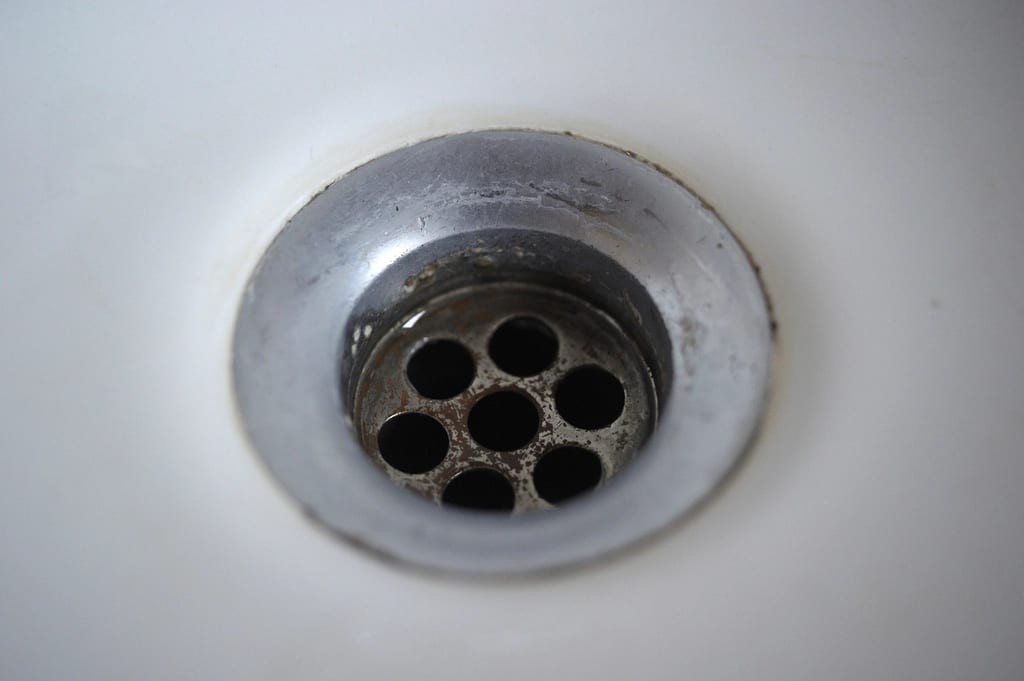
If this fix touches water, gas, or power, the guide starts with the shutoff step and says when a licensed pro should take over.
Product links in this guide are affiliate links. If you buy through one, we may earn a small commission at no extra cost to you. It never changes which products we recommend.
Water pooling around the drain while you brush your teeth is the bathroom’s slowest-motion emergency. The good news: a slow bathroom sink has the most predictable cause in home plumbing, and clearing it needs no chemicals, almost no tools, and no experience.
Quick Answer
It’s hair. Specifically, a mat of hair and soap scum wrapped around the pop-up stopper, in the top few inches of the drain. Pull the stopper, clean it, run a cheap plastic zip tool down the drain to grab what’s below, and the sink drains like new. Only if that fails do you open the P-trap, and even that is a 10-minute, bucket-and-hands job.
What You’ll Need
- A plastic drain zip tool, the flexible barbed strip, $3–$5 at any hardware store
- Rubber gloves (you’ll want them; this is the grossest fix on this site)
- An old toothbrush and a bucket
- Slip-joint pliers, only if your stopper is held by a pivot rod under the sink
Step-by-Step
Pull the stopper
Try twisting the stopper counterclockwise and lifting. Many just come out. If it lifts an inch and stops, it’s held by a pivot rod: look under the sink for a thin metal rod entering the drain pipe at an angle, held by a small nut. Put the bucket underneath, unscrew the nut (hand or pliers), pull the rod out, and the stopper lifts free. Keep the nut and its washer somewhere they can’t roll.
Clean what comes up with it
The stopper’s base will likely carry a gray mat of hair and residue. Toothbrush and hot water. This alone fixes maybe half of slow sinks.
Run the zip tool
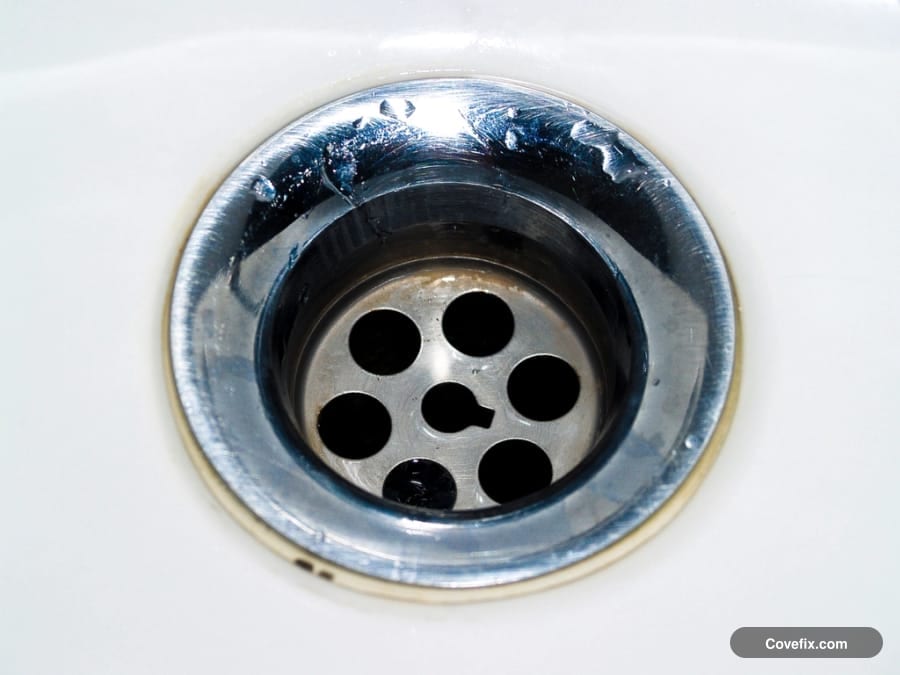 The goal: a drain that swallows water at full speed with nothing pooling above it.
Push the zip tool all the way down the drain, twist a little, and pull up slowly so the barbs grab hair on the way out. Two or three passes, until it comes up clean.
Test with hot water
Reinsert the pivot rod through the stopper’s loop, retighten the nut hand-tight, and run hot tap water at full blast for a minute. Draining at full speed with no pooling? You’re done.
Still slow: open the P-trap
The P-trap is the U-shaped pipe under the sink. Bucket underneath, then unscrew the two large slip nuts by hand (pliers gently, if stuck). The trap comes free full of water. Dump it, scrub the inside with the toothbrush, and check the wall side of the pipes for gunk within reach. Reassemble the slip nuts hand-tight plus a quarter turn, run water, and touch a dry paper towel to each joint to check for weeping.
Time and Cost
| Scenario | Time | Cost |
|---|---|---|
| Stopper + zip tool | 15 min | $3–$5 (tool is reusable) |
| Adding a P-trap clean | +15 min | $0 |
| Plumber for the same clog | — | $100–$250 |
Why This Works
Bathroom sink clogs are mechanical, not chemical: hair anchors on the stopper’s pivot hardware, then soap scum and toothpaste plaster the mat into a felt-like plug. Physically removing it beats trying to dissolve it every time. Caustic cleaners can’t fully break down hair, so they turn a loose mat into a denser lump deeper in the pipe, while the biofilm they leave behind regrows fast (the same film behind a musty washing machine). Grab the mat, and the problem is actually gone.
Mistakes to Avoid
- Losing the pivot rod nut and washer. Smallest parts, biggest regret. Put them in a cup, not on the cabinet edge.
- Forcing a metal snake through a bathroom sink. Bathroom clogs live in the top foot of pipe; a long metal snake mostly scratches fixtures and punches through the mat instead of extracting it.
- Mixing chemical cleaners. If someone already poured one product in, never add a different one, because some combinations generate dangerous gas. This is a big reason to skip chemicals entirely.
- Overtightening the slip nuts. Plastic trap threads crack. Hand-tight plus a quarter turn, then check for drips and snug only if needed.
The kitchen sink plays the same game with grease instead of hair. And if the smell down there is the problem rather than the speed, start with the garbage disposal.
FAQ
The sink is still slow after I cleaned the stopper and trap. What's left?
The clog is further down the branch line, or the drain vent is partially blocked (a gurgling sound is the giveaway). A longer drain snake can reach the branch line; vent problems on the roof are worth handing to a plumber.
Why does my bathroom sink smell even when it drains fine?
Biofilm, a coating of soap residue and bacteria on the drain walls. Pull the stopper, scrub what you can reach with an old toothbrush, then flush with hot tap water. It's the same film that makes washing machines smell.
Are chemical drain cleaners ever the right call for a bathroom sink?
Rarely. Bathroom clogs are hair mats, which caustic cleaners only partially dissolve, leaving a denser plug further down. They also heat and damage older metal traps, and they make the water sitting in a still-clogged sink dangerous to work in by hand.
How often should I clear the stopper?
A zip-tool pass every three months keeps a heavily used sink flowing. If someone in the house has long hair, monthly is realistic. It takes two minutes once you've done it twice.
Related fixes

Laundry & Cleaning
Washing Machine Smells? Clean These 3 Spots (Gasket, Drum, Filter)
A musty front-loader means mold in the door gasket and a clogged drain filter. Clean all three problem spots in 30 minutes and keep the smell away.
Time30 min + one wash cycle Cost$0–$10 easy

Bathroom
Remove Hard Water Stains from Shower Glass (What Actually Works)
Hard water stains come off shower glass with warm vinegar and dish soap, if the glass isn't etched. How to tell the difference and what works for each.
Time30 min Cost$4–$15 easy